![DOUBLE THE FUN|
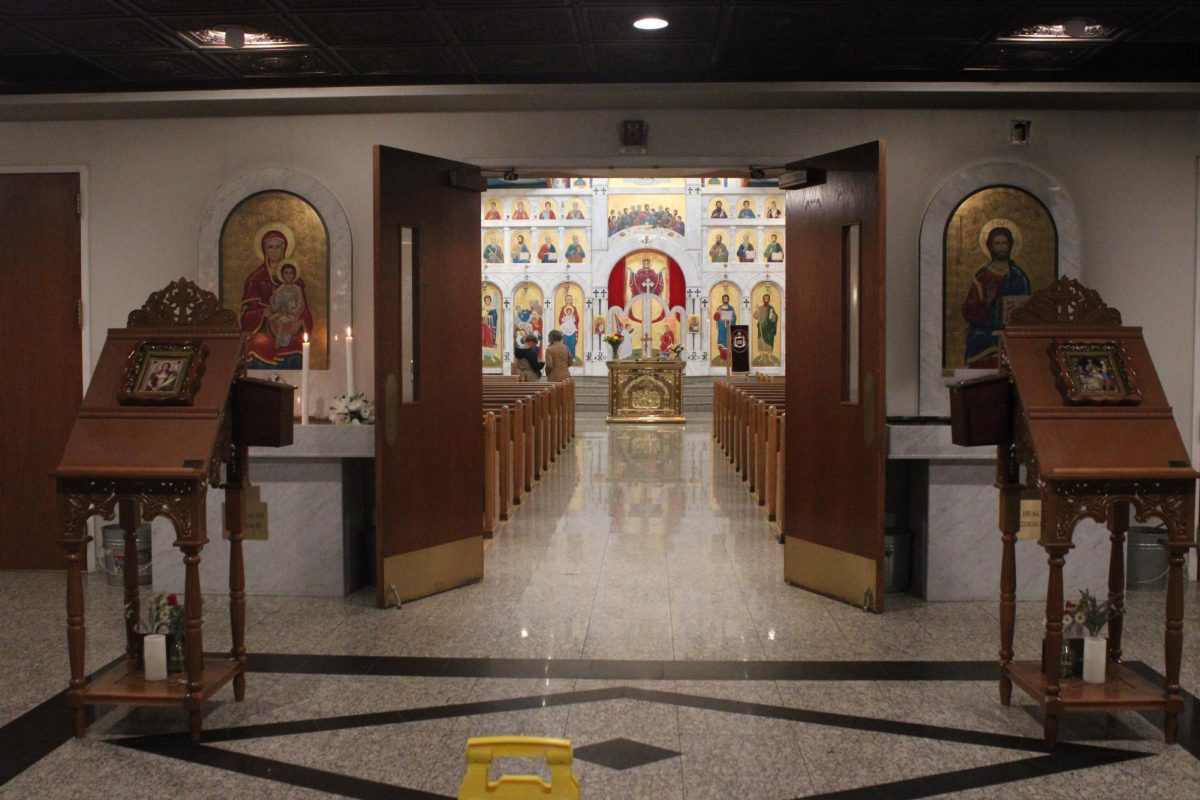
The holiday season is only halfway over by Jan. 1st for Coptic Orthodox Hannah Grace, which is her favorite part of having two Christmases.
"I like how it's different and how I have time to prepare [for Orthodox Christmas] after Christmas is over on December 25th," Grace said. "Everybody is getting ready for the new year, while I'm preparing for my second Christmas."](https://northpointenow.org/wp-content/uploads/2026/01/IMG_8076-2-1200x800.jpg)
Two of the most celebrated holidays during the winter season are Christmas, observed by about two billion people, and New Year’s, celebrated by around five to six billion people, according to National Day Calendar and Rustic Pathways. However, these two holidays are only the tip of the iceberg in terms of what is celebrated around this time of year in our own community. From a seafood feast to eating grapes at midnight on New Year’s, there are many different ways cultures within our community celebrate the holiday season.
One individual who has a unique holiday season is sophomore Hannah Grace, whose Egyptian family is Coptic Orthodox, a branch of Christianity that believes they have preserved the original Christian faith and teaching from the times of the Apostles.. Coptic Orthodox Christians follow the Julian calendar rather than the Gregorian calendar used by most of Christianity, making Orthodox Christmas fall on January 7th. Grace’s family blends the conventional Christmas with the church holiday they celebrate, creating a new tradition of their own.
“Orthodox Christmas is on January 7th, and that’s also my birthday,” Grace said. “On the other Christmas, we mainly just spend time together and open gifts, and then on January 7th, we open gifts again, but then we go out with church friends, hang around and have a good time.”
While many families who celebrate Christmas tell the story of Santa bringing gifts to children, Spanish-speaking cultures focus on more biblical stories. Spanish teacher Jennifer Weisbrodt highlights the differences between the two cultures in what they celebrate and who they celebrate.
“In comparison to our culture, instead of Santa being the primary gift-giver, many Spanish-speaking cultures focus on El Niño Jesús or Los Reyes Magos [the Three Wise Men], and gifts are often exchanged on January 6th, not December 25th,” Weisbrodt wrote in an email to North Pointe.
During the holidays, food is a significant tradition in many cultures, offering comfort and a sense of connection. Someone who has a subtle twist on a holiday tradition is community member Michael Bottigliero, who honors his Italian-American heritage by cooking a huge feast every Christmas Eve.
“The Feast of Seven Fishes is where we enjoy a lot of seafood on Christmas Eve,” Bottigliero said. “Making it, there [have] been lots of times having fun doing it in different ways. I always come up with a different menu every year, where I try to come up with which appetizers I am going to do to incorporate different fish into it.”
Spanish-speaking cultures also prioritize their food traditions during the Christmas season. These traditions typically extend into New Year’s festivities.
“In Spain, people often set up beautiful Nativity scenes, enjoy Nochebuena with a large family dinner, and participate in Las Campanadas on New Year’s Eve, where twelve grapes are eaten at each stroke of midnight for good luck in the coming year,” Weisbrodt wrote. “In many Latin American countries, traditions like Las Posadas in Mexico, la Novena in Colombia, and festive foods such as tamales and buñuelos are eaten.”
With the numerous celebrations taking place during December and January, Jennifer Weisbrodt notes the happiness that comes with immersing yourself in learning about a new tradition and how it can help an individual culturally.
“In my classroom, students learn about foods, music, and celebrations from different Spanish-speaking countries throughout the year,” Weisbrodt wrote. “Most students fall in love with the culture first, and that propels them to continue with the language.”